Nervous About Surgery? That's Completely Normal.

The fear is real. The anticipation is real. And for most patients, the actual experience is nowhere near as scary as the image in their head.

If you're nervous about cataract surgery, you're not alone. It's the most common sentiment I hear in consultations. Not "what lens should I choose?" or "how long is recovery?" The first thing patients say, once they trust me enough to be honest, is: "I'm terrified."

Being awake during a surgical procedure on your eye feels fundamentally wrong. You imagine everything that could go wrong. You picture yourself lying there, unable to move, forced to watch as instruments approach your eye. The fear makes sense. And I want you to know: it's okay to be scared.

What I also want you to know is that the thing you're picturing, the vivid, detailed, surgical scene you keep replaying in your mind, is not what the experience is actually like. Your eyes cannot create that image. The surgery is designed so you don't see what you're afraid you'll see.

Let me walk you through why, and share what patients who were just as nervous as you actually experienced.

What You Actually See: Two Years of Patient Artwork

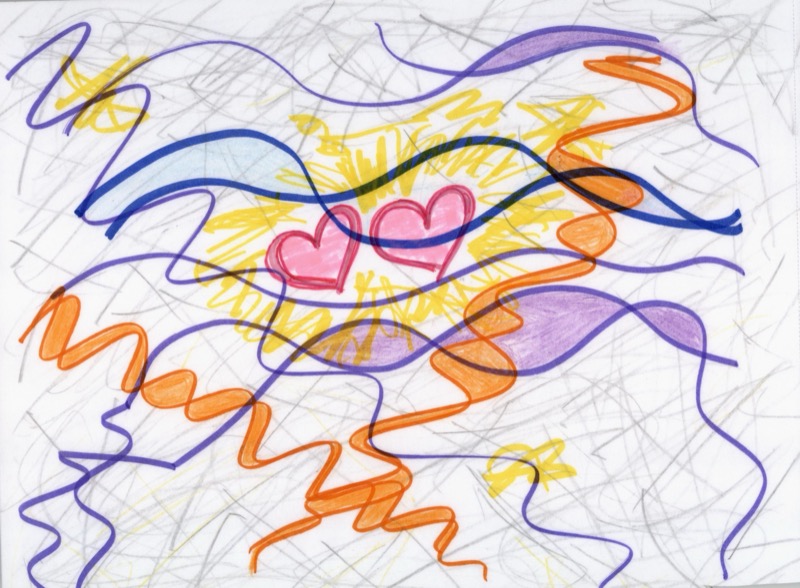
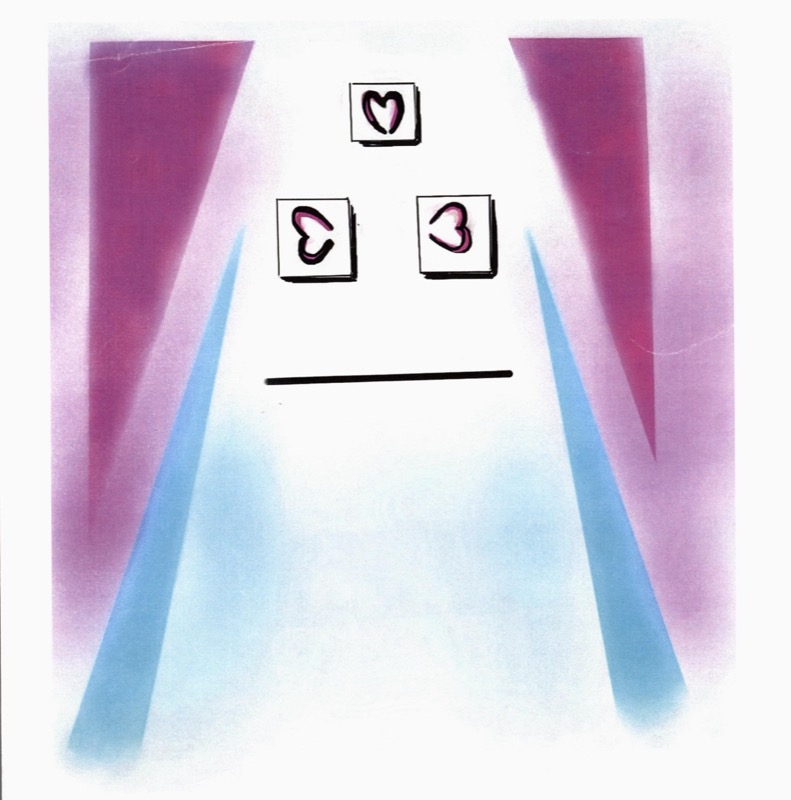
For two years, I asked patients who are artists to draw what they saw during their cataract surgery. Not what they thought they would see. What they actually saw. I collected dozens of drawings. They're remarkably consistent.

Kaleidoscopic patterns. Hearts. Swirling colors. Soft glowing light. Tunnels of turquoise and gold. Abstract, dreamlike, sometimes even beautiful. Not a single patient drew a scalpel or a needle or anything resembling a medical procedure.

I show these drawings to every nervous patient before surgery. Because seeing what other people experienced, in their own hand, is more reassuring than any verbal explanation I can give.

See the Full Patient Artwork Gallery →
Patient drawing: geometric hearts during cataract surgeryPatient drawing: kaleidoscope colors during cataract surgeryPatient drawing: flowing colors and hearts during cataract surgery

Read These If You're Still Worried

Real patient stories and honest answers about fear, pain, and what the experience is actually like.

What Helps the Most

Knowing what to expect

The unknown is always worse than the known. Patients who understand what they will see (or more accurately, what they will not see) report lower anxiety. That's why I spend time in every consultation explaining this in detail. It's not about convincing you the procedure is easy. It's about replacing the terrifying image in your head with an accurate one.

Sedation options

We offer mild sedation for patients who want it. This doesn't put you to sleep, but it takes the edge off. You remain awake and able to follow instructions, but you feel calmer and more relaxed. Many patients choose this option, and most say it made the experience significantly easier. Some report that the procedure felt like it passed in a blur, even though they were technically awake the entire time.

Trusting the process

This sounds abstract, but it matters. Cataract surgery is one of the most commonly performed surgeries in the world. Tens of millions of people have been through it. The technique is refined, the outcomes are predictable, and the anesthetic works. You are not the first person to be afraid. You are not the first person to wonder what you will see. And you will not be the first person to come out the other side and say, "that was not as bad as I thought."

A retired school principal told me: "I was terrified right up until the moment it started. Then I realized I couldn't see anything scary, I couldn't feel anything painful, and it was already halfway done. I had worked myself up for nothing."

A thought from the clinic

I have performed over 20,000 cataract surgeries, and I have never had a patient tell me afterward that the visual experience during surgery was traumatic. I have had patients say it was strange. I have had patients say it was boring. I have had patients say they barely remember it. But the thing they were afraid they would see, the sharp, vivid, disturbing image of their own surgery, that does not happen. The eye does not work that way. The procedure does not work that way. And knowing that, really understanding it, is often the thing that finally allows patients to move forward.

Still Have Questions?

If you're still unsure about what to expect during cataract surgery, the best thing you can do is ask. We'll walk through the entire process, answer every question, and make sure you feel prepared before the day arrives.

Schedule a Consultation

Related Reading