Diabetic Retinopathy: What Every Diabetic Patient Should Know

Diabetes is the leading cause of preventable blindness in working-age adults. Understanding what is happening in your eyes, and how to protect your vision, matters more than most patients realize.

What Is Diabetic Retinopathy?

The retina is the light-sensitive tissue lining the back of your eye. It functions like the film in a camera, capturing images and sending them to your brain. Blood sugar that stays elevated over time damages the tiny blood vessels that nourish the retina. Those vessels can leak fluid, bleed, swell, and eventually grow abnormal new vessels in places they should not exist. That entire process is diabetic retinopathy.

What makes this condition particularly treacherous is that it causes no pain and no obvious symptoms in its early stages. By the time a patient notices blurring or dark spots, significant damage has often already occurred. This is why routine dilated eye exams are not optional for diabetic patients - they are how we catch retinopathy early, when treatment is most effective.

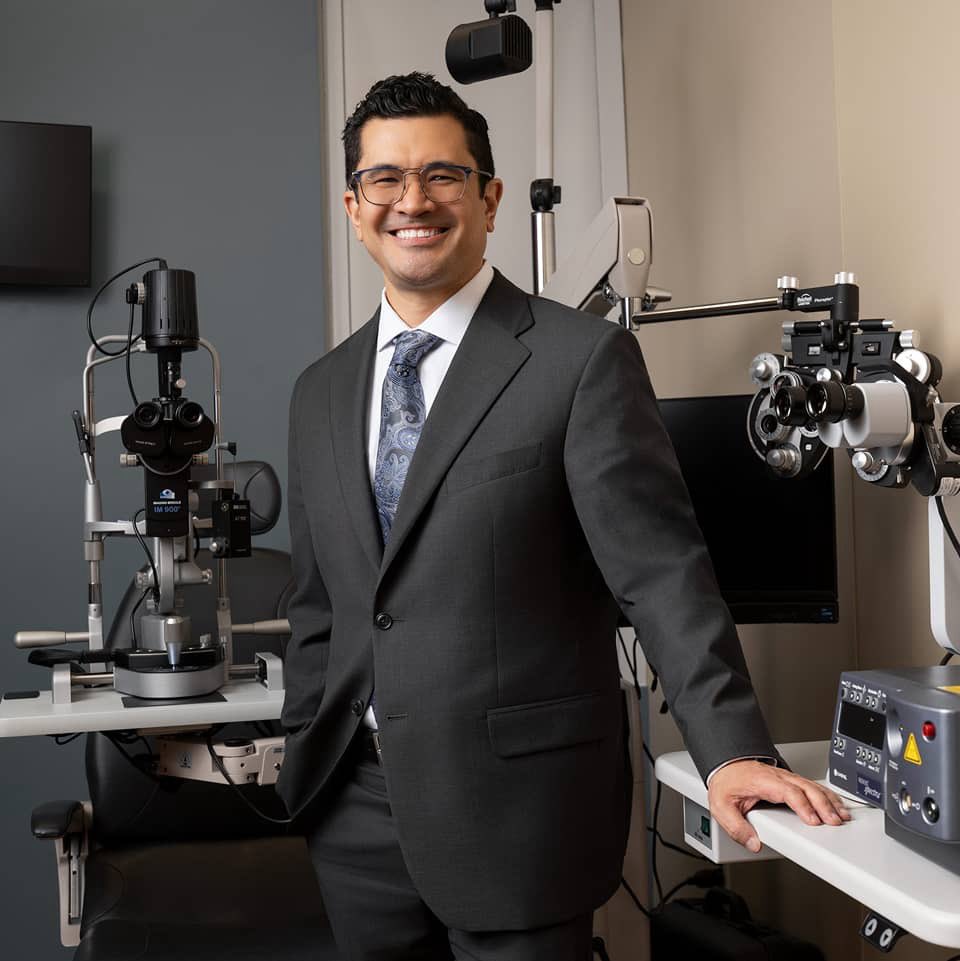
I see this in my practice constantly. Patients come in for a cataract evaluation and I find retinopathy they did not know they had. Because I am fellowship-trained in retina as well as cataract surgery, I can evaluate and treat both problems. That dual training is genuinely rare among cataract surgeons, and it changes the care I can offer diabetic patients.

Seniors enjoying outdoor dining together - active living with well-managed diabetes

The Four Stages of Diabetic Retinopathy

Diabetic retinopathy progresses through four defined stages. Where a patient falls on this spectrum determines how urgently treatment is needed and how it shapes cataract surgery planning.

The critical point is that early stages are treatable without major intervention. Catching retinopathy at stage 1 or 2 is a very different situation from catching it at stage 4. Annual dilated exams exist for exactly this reason.

How Diabetic Retinopathy Affects Vision

Retinopathy threatens vision in several distinct ways depending on which structures are affected:

Couple outdoors enjoying the sunshine together - maintaining active lives with managed diabetes

My Retina Training: One Surgeon, One Plan

This is the part of my practice that I think matters most for diabetic patients, and it is something most patients do not know to look for when choosing an eye surgeon.

I completed fellowship training in retina in addition to my cataract surgery training. That means I can perform anti-VEGF injections (Eylea, Lucentis, Avastin, Vabysmo) and panretinal photocoagulation (PRP laser) in my own office. Most cataract surgeons cannot do this. When they encounter diabetic retinopathy during a cataract evaluation, they refer patients to a separate retina specialist, who then manages the retina separately from the cataract.

The problem with that split approach is coordination. The retina specialist does not know the cataract plan. The cataract surgeon does not know the retina status when the patient returns. Treatments can conflict or be sequenced poorly. Appointments multiply. The patient ends up managing two separate doctors who may not communicate clearly.

At Desert Vision Center, I manage both. I evaluate the retinopathy, stage it, treat it with injections or laser as needed, and then perform the cataract surgery at the right time in the right sequence. One surgeon. One cohesive plan. Everything happens under the same roof, with full continuity of care.

Why this matters practically

A diabetic patient with moderate NPDR and developing macular edema needs anti-VEGF treatment before cataract surgery to protect the macula from surgical inflammation. I identify that, treat it, and then proceed with cataract removal when the retina is stable. Without retina training, a cataract surgeon would simply refer out and wait - adding months and multiple additional appointments to the process.

Diabetic Retinopathy and Cataract Surgery

Diabetic patients develop cataracts earlier and faster than the general population. Blood sugar fluctuations accelerate lens clouding, so it is very common for diabetic patients to need cataract surgery while also managing some degree of retinopathy.

The interaction between the two conditions is significant and changes how surgery should be approached. Cataract surgery stimulates inflammation inside the eye, and that inflammation can worsen diabetic macular edema. Removing the cataract also improves the surgeon’s view of the retina, which is sometimes necessary to properly treat proliferative retinopathy. Sequencing these two treatments correctly requires judgment that only comes from understanding both conditions in depth.

For more detail on how I specifically manage cataract surgery in diabetic patients, including OCT imaging, lens selection, and postoperative protocols, see my page on diabetes and cataract surgery.

Blood Sugar Control Protects Your Vision

I want to be honest with my patients about this: no injection, no laser, and no surgery I can perform is as powerful as good blood sugar control at preventing retinopathy from developing in the first place.

The landmark Diabetes Control and Complications Trial (DCCT) showed that intensive blood glucose control reduces the risk of developing retinopathy by 76 percent and slows progression of existing retinopathy by 54 percent. Those are enormous numbers. The HbA1c target matters. Working closely with your endocrinologist or primary care doctor to keep blood sugar in a healthy range is genuinely the most impactful thing a diabetic patient can do for their long-term vision.

Blood pressure and cholesterol also play a role. Hypertension accelerates retinopathy progression. If you have diabetes, I encourage you to view your systemic health management as a direct investment in your vision.

The Importance of Dilated Eye Exams

A standard vision screening at a primary care office or optometrist does not adequately evaluate the retina for diabetic damage. A dilated eye exam, where drops are used to widen the pupil, allows the doctor to see the full retina including the peripheral areas where early retinopathy often begins.

I recommend that all diabetic patients have a dilated retinal exam at least once a year. Patients with known retinopathy, poorly controlled blood sugar, or a long history of diabetes may need more frequent monitoring, sometimes every three to six months. If you are a diabetic patient and you have not had a dilated exam in the past year, that is something to address soon.

Seniors enjoying active outdoor activities in the Coachella Valley desert

Related Reading

Have diabetes and concerned about your eye health?

I evaluate both the retina and the cataract together. You get a complete picture of your eye health and a treatment plan that addresses everything in the right sequence.