Patients often ask about technology. They want to know what machines we use, what measurements we take, and whether newer tools produce better outcomes. These are reasonable questions. Technology has transformed cataract surgery over the past three decades. But the relationship between technology and results is more nuanced than marketing materials suggest.
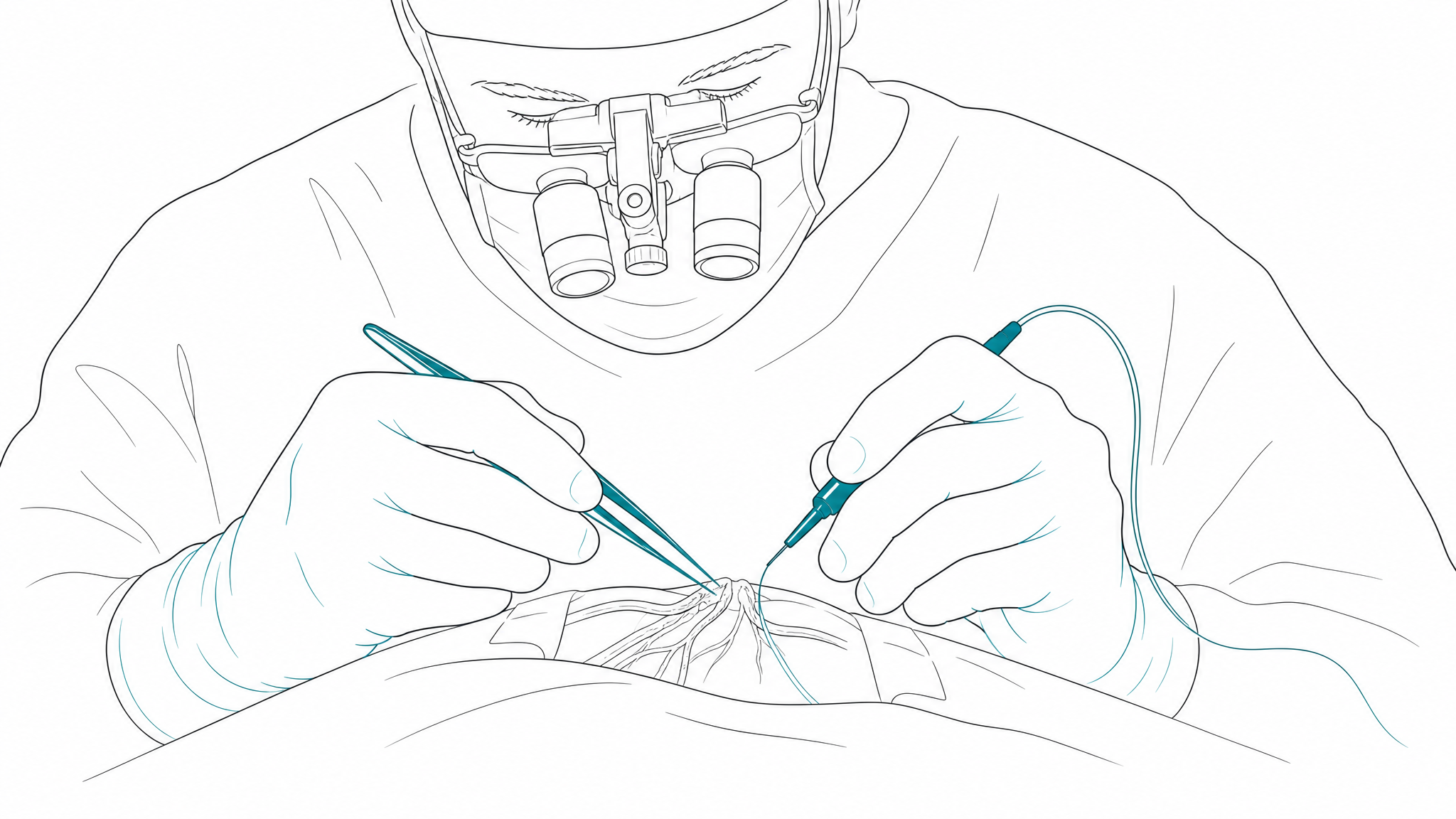
One device that comes up frequently in conversations is the ORA system, sometimes called the ORA machine. It provides real-time measurements of your eye during surgery, offering feedback on lens power and placement. Some practices promote it heavily. Others rarely use it. Patients are left wondering whether they need it, whether their surgeon has it, and whether its absence means they are receiving inferior care.
The answer, as with most things in medicine, is: it depends. The ORA system is a tool. It can be useful in specific situations. It is not a requirement for excellent outcomes. And in some cases, it provides information that is actively unreliable. Understanding when and why it matters requires understanding what it actually measures.
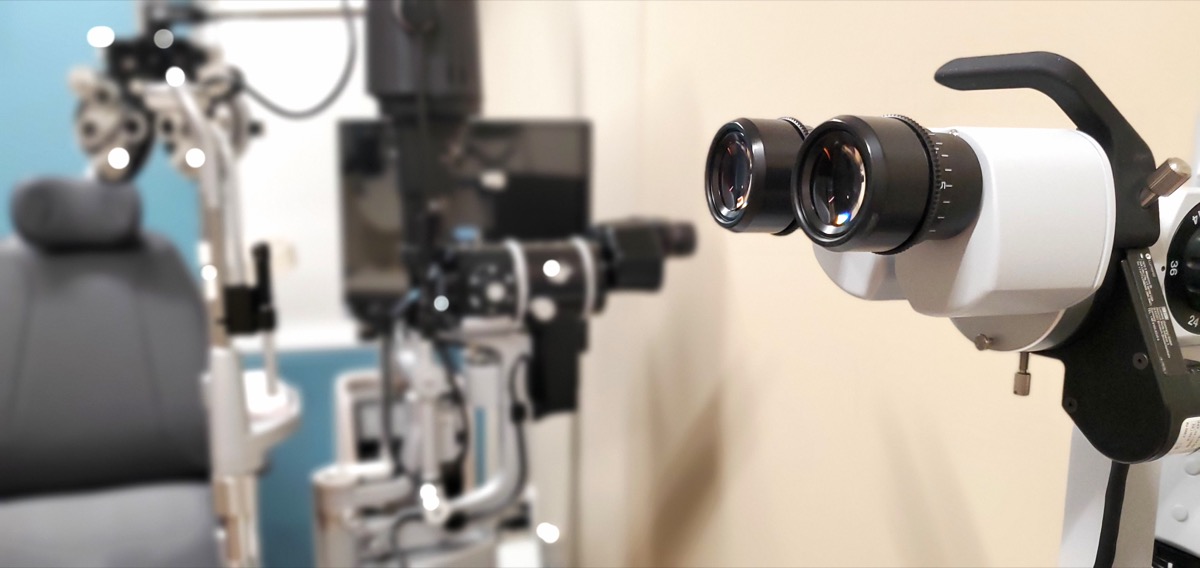
The ORA system, short for Optiwave Refractive Analysis, performs intraoperative aberrometry. That term simply means it measures the refractive power of your eye while you are on the operating table, after the cataract has been removed and before the artificial lens is implanted.
Before surgery, we take detailed measurements of your eye: the length of the eye, the curvature of the cornea, the depth of the anterior chamber. These measurements feed into formulas that predict which lens power will give you the best vision. Modern formulas are extraordinarily accurate, especially for straightforward eyes. But no preoperative measurement can account for everything that happens during surgery.
The ORA system takes a measurement after the cataract is gone, with the eye in its surgical state. It provides a second opinion on lens power selection. Sometimes that second opinion confirms what we already planned. Sometimes it suggests a small adjustment. And sometimes, particularly in certain types of eyes, it provides information that contradicts clinical judgment in ways that would lead to a worse outcome if followed blindly.
The ORA system is most useful in eyes where preoperative measurements are less reliable. The clearest example is eyes that have undergone previous refractive surgery, such as LASIK or PRK. These procedures reshape the cornea in ways that can confuse the formulas we use to calculate lens power. We have strategies to account for this, including historical data and specialized formulas, but there is always more uncertainty in these cases.
In a post-LASIK or post-PRK eye, the ORA system can provide a helpful checkpoint. It measures the eye as it exists now, not as it was before the laser reshaped it. That real-time feedback can confirm or adjust the lens choice in ways that improve accuracy.
The ORA system can also be useful in eyes with unusual anatomy, eyes with previous trauma, or cases where the surgeon is choosing between two lens powers and wants additional data to inform the final decision. It is a tiebreaker in situations where multiple approaches seem equally reasonable.
Here is what the marketing does not tell you: the ORA system is not universally accurate. There are cases where it provides readings that are clearly wrong, and a surgeon who follows those readings without applying clinical judgment will produce a worse outcome than if they had never turned the machine on.
The most dramatic example is radial keratotomy, or RK. This was a refractive surgery performed in the 1980s and 1990s that involved making radial incisions in the cornea to flatten it and reduce nearsightedness. Patients who had RK decades ago now need cataract surgery, and their eyes present unique challenges.
"In post-RK eyes, the ORA system often gives wildly inaccurate readings. Following its recommendations in these cases can lead to significant refractive surprise."
The radial cuts change the biomechanics of the cornea in ways that confuse the ORA's algorithms. The system may suggest a lens power that is off by several diopters. An experienced surgeon who has managed many post-RK eyes learns to recognize this and rely instead on historical refraction data, multiple calculation methods, and conservative lens selection. The ORA, in these cases, is worse than useless. It is a distraction.
This is not a flaw in the technology itself. It is a limitation. Every tool has boundaries beyond which it stops being helpful. The ORA system works well in certain contexts and poorly in others. The skill is knowing which situation you are in.
The broader point here is about the relationship between technology and surgical decision-making. Devices like the ORA system are assistive. They provide data. But data is not the same as wisdom. A measurement does not tell you whether to trust it. Context does. Experience does. Pattern recognition built over thousands of cases does.
Some surgeons use the ORA system routinely. Others reserve it for specific cases. Neither approach is inherently superior. What matters is whether the surgeon understands when the tool adds value and when it does not, and whether they have the confidence to override it when clinical judgment suggests the reading is unreliable.
A surgeon who depends entirely on technology without applying independent judgment is not practicing at the highest level. Neither is a surgeon who dismisses useful technology out of habit. The best approach is flexible: use the tool when it helps, recognize when it does not, and never let a machine make a decision that should be yours.
Most patients achieve excellent outcomes without intraoperative aberrometry. Modern lens calculation formulas are highly accurate for the majority of eyes. If your eye has no history of refractive surgery, no unusual anatomy, and straightforward measurements, the likelihood that the ORA system will change your outcome is low.
If you had LASIK, PRK, or another corneal procedure, the case for using it becomes stronger. But even then, it is one tool among many. A surgeon experienced in managing post-refractive eyes will have other strategies, and the ORA reading will be weighed against other clinical data, not accepted without question.
If you had RK, the ORA system may not be recommended at all. Your surgeon will rely on different methods, and that is the correct approach.
"The question is not whether your surgeon has the latest technology. The question is whether your surgeon knows when to use it, when to trust it, and when to set it aside."
The ORA system is marketed as a way to achieve greater precision. That is true in some cases. But precision is not the same as perfection. No technology eliminates uncertainty in medicine. The eye is a biological system, not a manufactured device. It responds to surgery in ways that cannot always be predicted, even with the most sophisticated measurements.
What matters more than any single piece of equipment is the surgeon's ability to synthesize information from multiple sources, adjust in real time, and make decisions based on experience rather than algorithms alone. The ORA system can be part of that process. But it is never the whole process.
I have access to the ORA system. I use it when it adds value, primarily in eyes with previous refractive surgery where preoperative calculations carry more uncertainty. I do not use it routinely, because routine use implies that every eye needs it, and that is not true. I do not use it in post-RK eyes, because the readings are often misleading. The technology assists my judgment. It does not replace it. That distinction matters more than whether the device exists in the operating room at all.
If you are preparing for cataract surgery and want to understand which technologies are relevant for your specific case, I would welcome the conversation.
Schedule a Consultation