One of the most important lessons I have learned about cataract surgery has very little to do with cataracts.
It has to do with life.
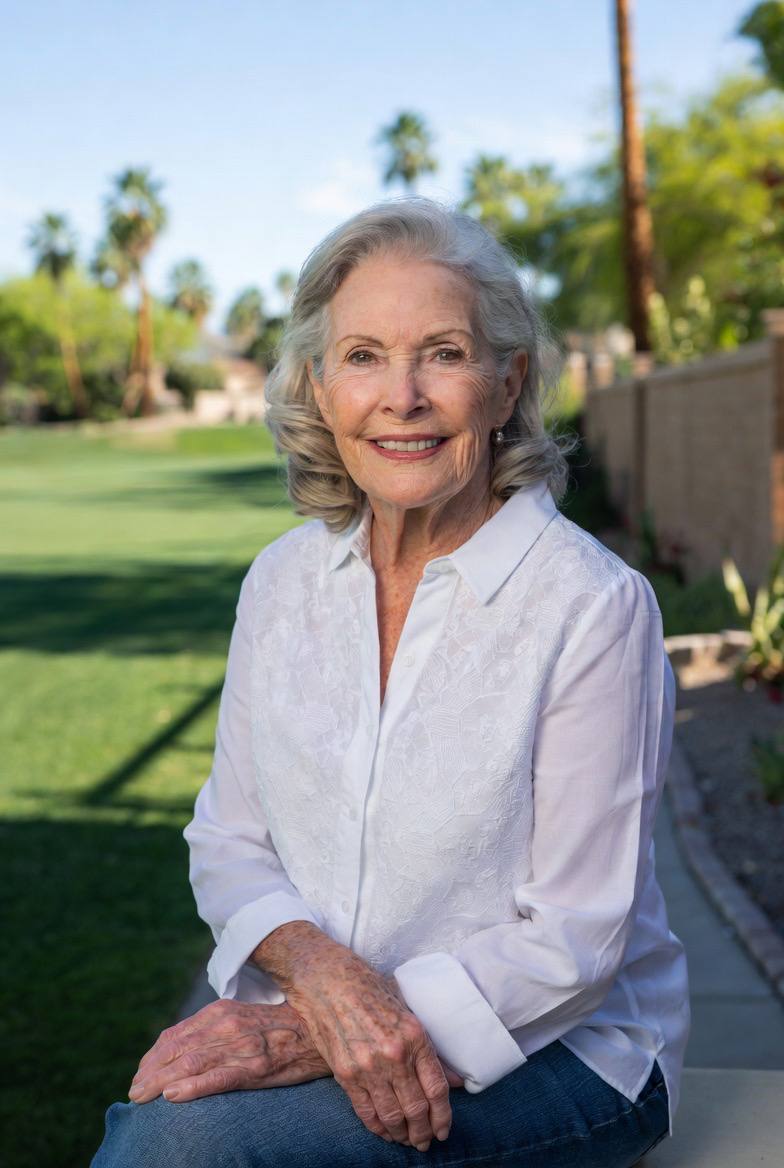
Several years ago, I met a 78-year-old woman who came to see me because her vision was gradually becoming more difficult despite wearing contact lenses.
Even with her best correction, her vision had declined to about 20/40 in both eyes from cataracts.
As we discussed her options, the choice seemed straightforward.
For years she had successfully worn monovision contact lenses. One eye was set for distance. The other was set for near. Her brain had adapted beautifully to the arrangement, and she loved the freedom of functioning without reading glasses.
So when it came time for cataract surgery, we decided to recreate the same visual system she had already been enjoying for years.
The surgeries went beautifully.
The day after her second surgery, she was thrilled.
She could read her phone without glasses. She could see across the room without glasses. She laughed as she told me she had eaten breakfast that morning without reaching for either contact lenses or reading glasses for the first time since middle school.
Everything was working exactly as planned.
She came back about ten days later.
Something had changed. Not her vision. Her life.
She told me that her husband had just been diagnosed with cancer.
The news had been sudden. And with that diagnosis came a realization.
For years, her husband had done nearly all of the driving. Now she would be responsible for it. Not occasionally. Constantly. Doctor appointments. Treatments. The daily weight of being the one behind the wheel.
“Two weeks ago, this was exactly what I wanted.”
And she was right. It was.
The problem was not the surgery. The problem was that neither of us could have predicted what was about to happen.
Monovision can be wonderful for many patients, especially those who value reading and other near activities without glasses. But it does involve compromises. Depth perception can be slightly reduced, and some patients feel more comfortable driving when both eyes are optimized for distance vision.
Because we were still early in the postoperative period, we had options.
After discussing the situation, we made the decision to exchange the lens implant in her near eye and convert her visual system from monovision to distance vision in both eyes.
The second surgery went well. She gained the confidence she wanted behind the wheel.
She told me later that knowing we could adjust gave her more relief than the surgery itself.
The tradeoff was exactly what we expected. She now needed reading glasses for near work. And she was completely happy with that.
A few years later, she returned for a follow-up visit.
By then it had been three years since those surgeries. She was still driving regularly. Still caring for her family. Still using reading glasses. Still pleased with her decision.
When we choose a lens implant, we spend a lot of time talking about hobbies, occupations, reading habits, and driving needs. Those conversations matter. But they all share one hidden assumption: that tomorrow will look a lot like today.
Sometimes it does. Sometimes it does not.
A cancer diagnosis. The loss of a spouse. A new grandchild. A move across the country.
Life has a way of rewriting the script when we least expect it.
What I remember most about this patient is not the lens exchange. It is the reminder that successful cataract surgery is not about creating perfect vision for the life someone has today. It is about giving them the vision they need for the life they are actually going to live.
The right lens depends on your life, not just your eyes. That conversation starts here.