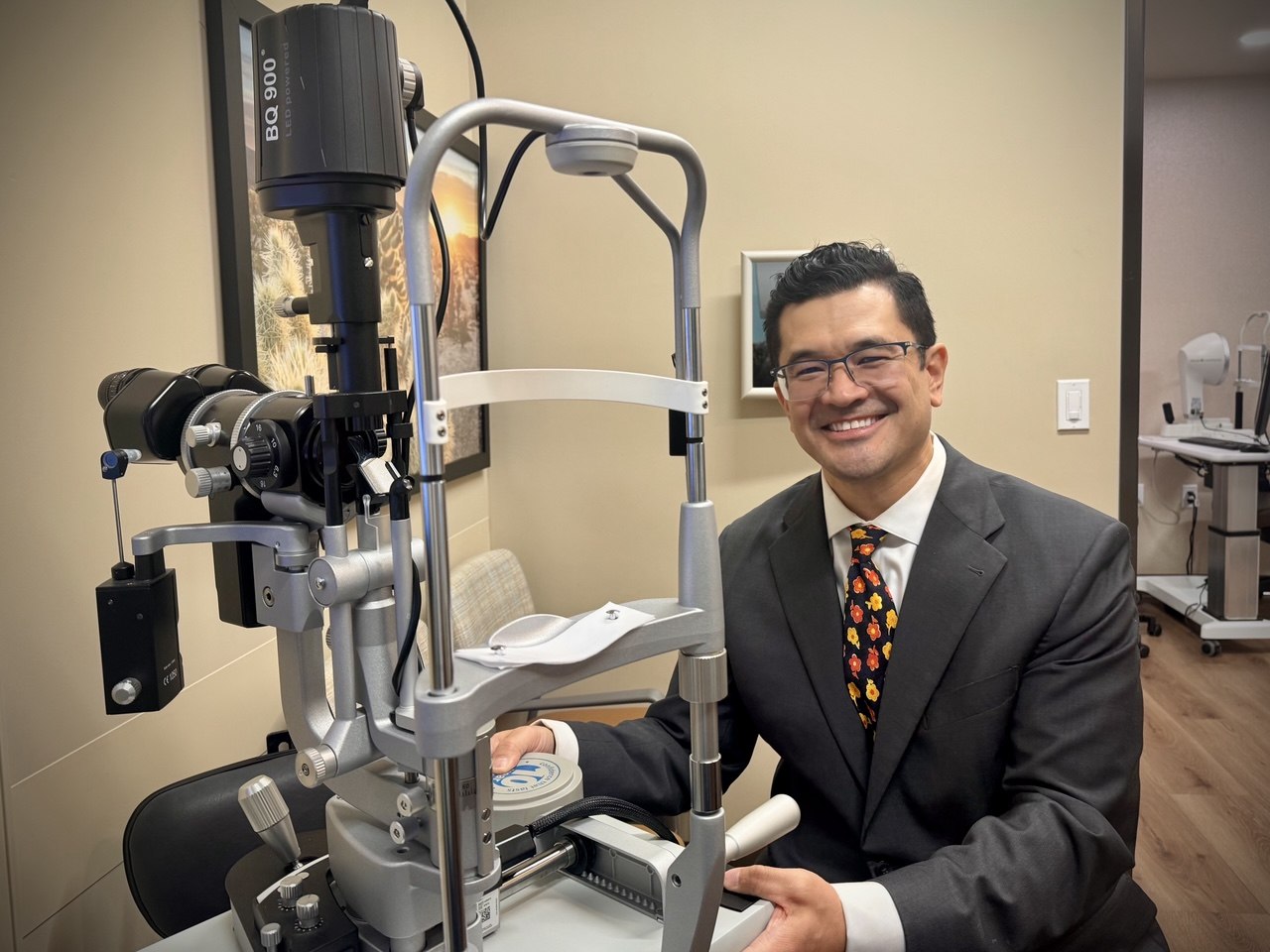
A patient sits in my exam chair and describes symptoms that sound familiar: red, irritated eyes. A gritty, burning sensation. Crusting along the lashes in the morning. They have tried over-the-counter allergy drops. They have used artificial tears. Nothing has really helped.
When I examine them under the slit lamp, the diagnosis is clear. Their eyelid margins are inflamed. The base of the lashes is covered in debris. And in many cases, there are tiny cylindrical collarettes wrapped around the lash roots, a telltale sign of Demodex mites.
This is not an allergy. It is not classic dry eye, though dry eye often coexists. It is blepharitis, frequently driven by microscopic organisms living along the eyelid margin. And it is far more common than most people realize.
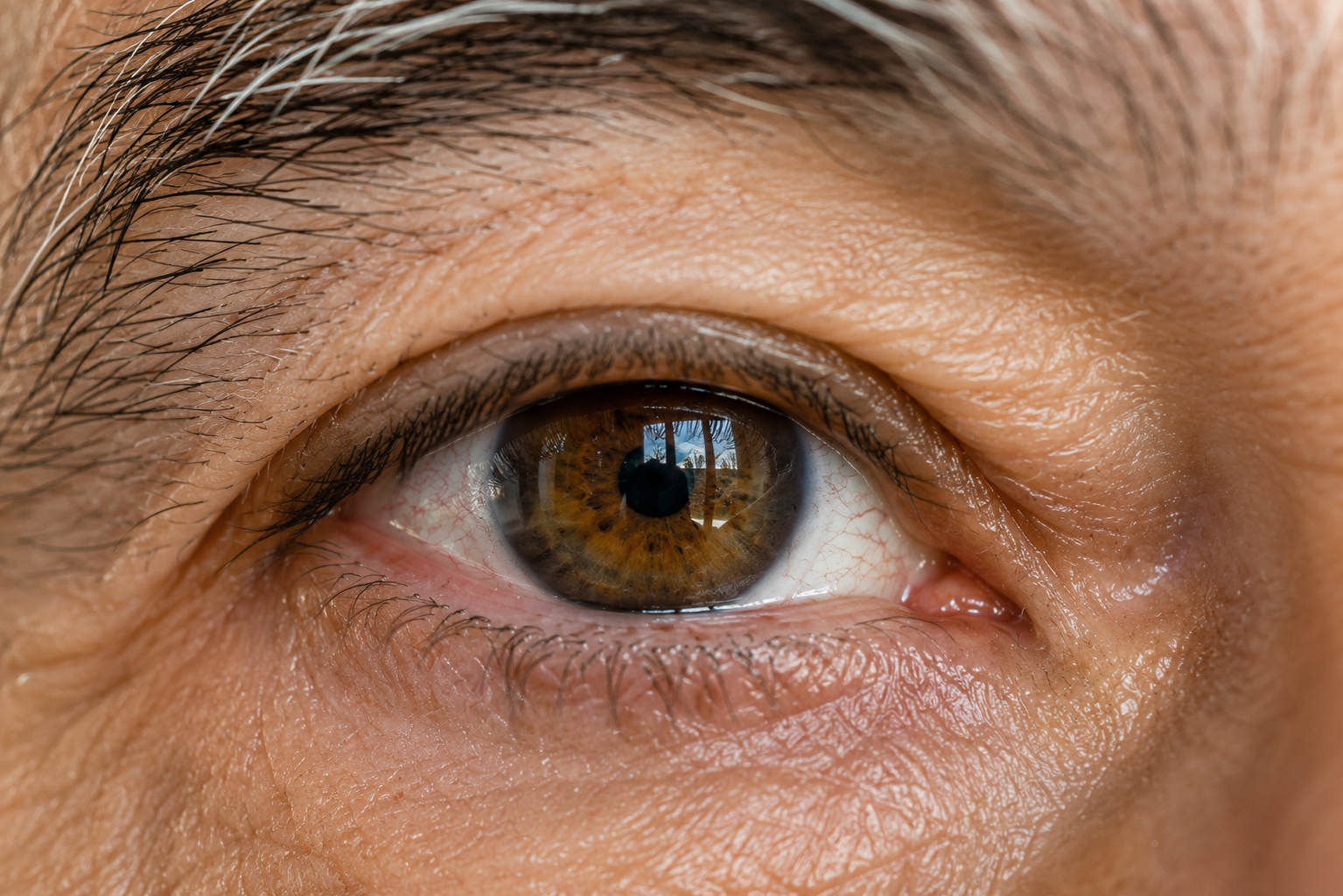
Blepharitis is chronic inflammation of the eyelid margins, the area where the lashes grow. The condition creates redness, swelling, crusting, and irritation. For many patients, it feels like something is always in their eye, even when nothing is there.
The causes vary. Bacterial overgrowth can play a role. Dysfunction of the meibomian glands, which produce the oily layer of the tear film, contributes. Skin conditions like rosacea or seborrheic dermatitis can trigger it. And in a large percentage of cases, particularly in older adults, Demodex mites are involved.
Blepharitis is not just uncomfortable. Left untreated, it can affect the quality of the tear film, increase the risk of styes and chalazia, and complicate cataract surgery planning.
The desert environment in the Coachella Valley makes things worse. Low humidity, dust, and wind dry out the tear film and irritate already inflamed eyelids. Many of my patients in Rancho Mirage, Palm Desert, and Indian Wells struggle with this daily.
Demodex are microscopic mites that live in hair follicles and oil glands throughout the body, including the base of the eyelashes. Two species affect the eyes: Demodex folliculorum, which lives in the lash follicles, and Demodex brevis, which burrows into the oil glands.
These mites are not rare. Studies show that the prevalence increases with age. By the time someone is 70 or 80 years old, the same age when cataracts become visually significant, the presence of Demodex is extremely common. Most people carry them without symptoms. But when the population grows too large, problems begin.
The mites feed on oils and dead skin cells. Their waste products and the bacteria they carry trigger an inflammatory response. That inflammation shows up as redness, itching, flaking, and crusting along the lash line. Patients often describe waking up with their lashes stuck together.
"I thought I just needed better eye drops. I had no idea something was actually living on my eyelids."
This is the reaction I hear most often when I explain the diagnosis. There is surprise, sometimes discomfort at the idea, and then relief that there is a clear explanation and a treatment plan.
Diagnosis is made during a slit lamp examination. I look for characteristic signs: debris along the lash line, redness and thickening of the lid margin, blocked or inflamed oil glands, and the cylindrical collarettes that are strongly associated with Demodex.
In some cases, I will remove a lash and examine it under a microscope to confirm the presence of mites. But often, the clinical picture is clear enough that microscopy is not needed.
What matters is recognizing the condition early. Many patients have been treating themselves for dry eye or allergies for months or years without improvement. Once the correct diagnosis is made, treatment can begin.
Blepharitis and Demodex are not just comfort issues. They directly affect cataract surgery outcomes in several ways.
First, untreated blepharitis increases the risk of postoperative infection. Bacteria live along the inflamed eyelid margin, close to the surgical site. Good preoperative hygiene reduces that risk, but chronic inflammation makes sterilization more difficult.
Second, blepharitis can affect the accuracy of the measurements used to calculate lens implant power. Inflammation and tear film instability can alter the surface curvature of the cornea, leading to inaccurate readings. If those readings are off, the lens power calculation will be off, and the patient may not achieve the best possible vision.
Third, patients with chronic blepharitis tend to have worse dry eye symptoms after surgery. Cataract surgery temporarily disrupts the ocular surface. If that surface is already compromised by inflammation, recovery can be slower and more uncomfortable.
For these reasons, I often treat or optimize lid hygiene before proceeding with cataract surgery. The goal is not perfection. It is reducing risk and improving the surgical environment.
Treatment for blepharitis and Demodex focuses on reducing the mite population, controlling inflammation, and improving lid hygiene. This is not a one-time fix. It is an ongoing maintenance process.
The cornerstone of treatment is daily eyelid hygiene. This includes warm compresses to soften blockages in the oil glands, followed by gentle cleaning of the lash line with tea tree oil-based cleansers. Tea tree oil has natural anti-Demodex properties and is one of the most effective topical treatments.
In more severe cases, I prescribe medications. Topical ivermectin cream targets the mites directly. Oral ivermectin is reserved for patients with widespread or refractory infestations. Antibiotic ointments or oral antibiotics may be used if bacterial overgrowth is contributing.
In-office treatments are also available. Intense pulsed light (IPL) therapy reduces inflammation and improves oil gland function. Mechanical lid debridement, where I carefully remove debris and biofilm from the lash margin, provides immediate relief and allows medications to penetrate better.
The challenge is that Demodex and blepharitis tend to recur. Without consistent maintenance, the mites repopulate and inflammation returns. Patients who stay on top of their lid hygiene tend to do much better long-term.
Living in the Coachella Valley comes with certain environmental challenges. The air is dry. Humidity is often below 20%. Wind picks up dust and debris. All of this stresses the ocular surface.
For patients with blepharitis, this environment amplifies symptoms. The tear film evaporates faster. The eyelids become more irritated. Inflammation worsens. Many of my patients notice that their eyes feel worse during the hot, dry summer months.
Managing blepharitis in the desert requires more aggressive lid hygiene and often more frequent use of artificial tears or prescription anti-inflammatory drops. The goal is to create a stable ocular surface despite the challenging environment.
If you have chronic redness, itching, or crusting along your eyelids, do not assume it is just dry eye or allergies. It may be blepharitis or Demodex. And if you are planning cataract surgery, treating this condition beforehand can improve both your comfort and your surgical outcome.
The good news is that blepharitis is manageable. It requires consistency and patience, but most patients see significant improvement within a few weeks of starting treatment. And once the condition is under control, maintaining it becomes easier.
If you are experiencing these symptoms, schedule an examination. A slit lamp evaluation takes a few minutes and provides a clear diagnosis. From there, we can build a treatment plan that fits your life and prepares you for cataract surgery if that is part of your care.
If you are experiencing chronic eyelid irritation or preparing for cataract surgery, an evaluation can identify the underlying cause and create a clear treatment plan.
Desert Vision Center
35900 Bob Hope Dr, Suite 175
Rancho Mirage, CA 92270
Serving Rancho Mirage, Palm Desert, Indian Wells, La Quinta, Palm Springs, and the Coachella Valley.
Schedule Your Consultation