Eye Care in the Coachella Valley

Desert living puts your eyes under stress that most people in other climates never experience. Here is what that means for your long-term vision, and why local expertise matters.

The Desert and Your Eyes

I have practiced ophthalmology in the Coachella Valley for years, and I can tell you that the eyes of my patients here look different from what you see in the medical literature drawn from general populations. Desert residents experience a combination of environmental stressors that accelerates eye aging and increases the risk of certain conditions in ways that are measurable and clinically significant.

That is not cause for alarm. It is cause for awareness. Understanding what the desert does to your eyes, and taking sensible protective steps, genuinely changes your long-term outcome. And when problems do develop, having a surgeon who understands the local context makes a real difference.

Desert Vision Center is located at 35900 Bob Hope Drive, Suite 175, in Rancho Mirage. We serve patients from across the Coachella Valley, including Palm Springs, Palm Desert, Indian Wells, La Quinta, Indio, Cathedral City, and the surrounding communities.

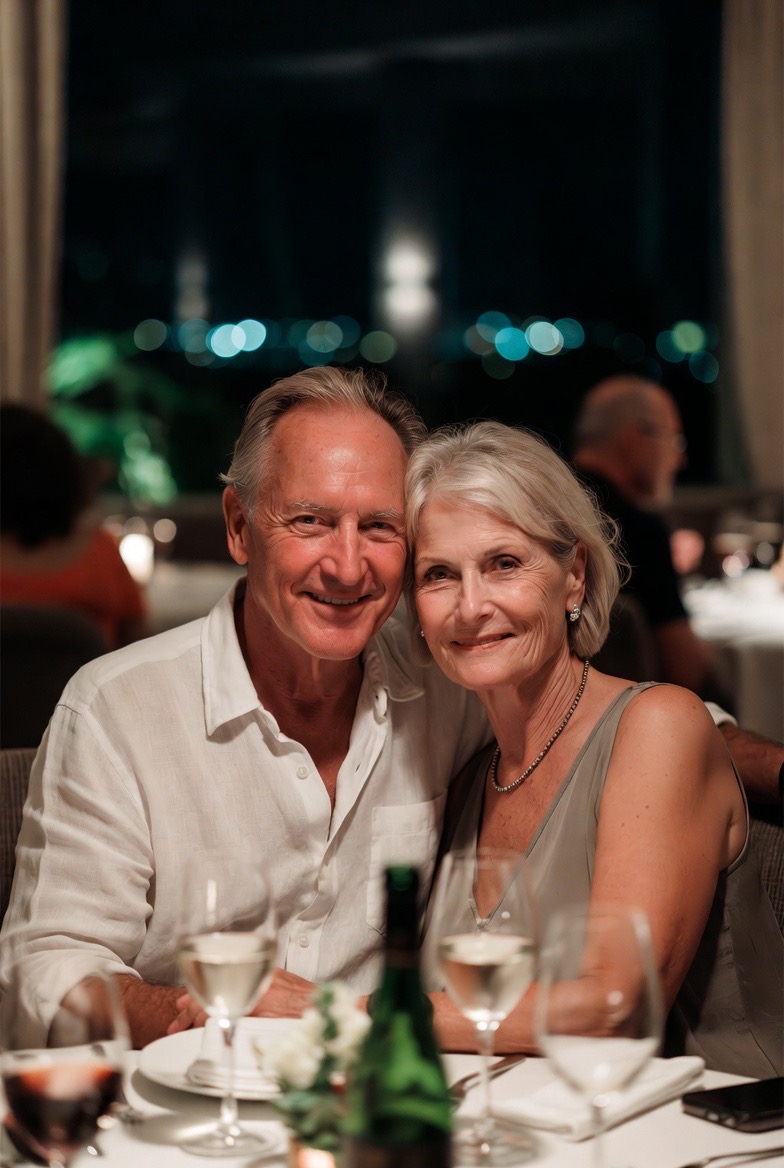
Couple relaxing on the lawn at sunset in the Coachella Valley - enjoying desert retirement living

Desert Eye Health Challenges

The Coachella Valley sits at a unique intersection of environmental conditions that are each, independently, hard on the eyes. Together, they create a demanding environment for anyone spending significant time outdoors:

The combination of year-round sun, low humidity, and an active outdoor culture makes the Coachella Valley one of the more demanding environments in the country for long-term eye health. Protective habits matter here more than most places.

What This Means for Common Conditions

Cataracts

Cataracts are a near-universal consequence of aging, but desert UV exposure accelerates their development. I routinely see patients in their late fifties with cataracts that are functionally comparable to what I would expect in a seventy-year-old from a lower-UV environment. Patients who spent their working years outdoors in the sun, especially without consistent sunglass use, are at the highest risk. If you are having trouble seeing clearly at night, noticing halos around lights, or finding that your glasses prescription keeps changing, cataracts may already be significant enough to discuss surgery.

Dry Eye and Ocular Surface Disease

Chronic dry eye is not just uncomfortable, it is a medical condition that affects vision quality and surgical outcomes. Many patients learn they have meaningful dry eye only when they come in for a cataract evaluation and I find that their tear film is inadequate. The dry eye needs to be treated before surgery to get accurate measurements and to optimize healing. Treatments range from artificial tears and warm compresses to prescription drops, punctal plugs, and in-office procedures. The vast majority of dry eye is very manageable with the right approach.

Pterygium

A pterygium is a fleshy, wedge-shaped growth of tissue that starts on the white of the eye and grows toward the cornea. It is caused by chronic UV and wind exposure - essentially the definition of life in the Coachella Valley. Small pterygia may cause irritation and redness but not much else. If one grows large enough to threaten the visual axis, it needs to be surgically removed. Consistent sunglass use is the best prevention.

Diabetic Retinopathy

The Coachella Valley has elevated rates of diabetes relative to state and national averages, and diabetic retinopathy is a significant concern for a large portion of my patient population. I am fellowship-trained in retina as well as cataract surgery, which means I manage diabetic retinopathy in-house, including anti-VEGF injections and panretinal photocoagulation. Learn more on my diabetic retinopathy page.
Group playing tennis on a sunny desert day - active outdoor sports are a hallmark of Coachella Valley living

Protecting Your Eyes in the Desert

The good news is that most desert-related eye damage is preventable with straightforward protective habits. The patients in my practice who do best over the long term are the ones who started these habits early and stayed consistent.

For golfers and tennis players

Many of my patients come in specifically concerned about maintaining their game after cataract surgery. Premium lens implants can reduce or eliminate dependence on glasses, which changes the experience on the course or court. I discuss lens options in the context of what each patient actually does with their vision - an active outdoor lifestyle is part of the surgical planning conversation, not an afterthought.

Desert Vision Center: Serving the Coachella Valley

Desert Vision Center is located at 35900 Bob Hope Drive, Suite 175, Rancho Mirage, CA 92270. We are conveniently situated to serve patients from across the valley, with easy access from Highway 111 and ample parking.

To schedule a consultation or ask about a specific concern, call us at 760.340.4700 or visit our contact page. No referral is required. We see new patients regularly and pride ourselves on unhurried, thorough consultations where you have time to ask every question you need to ask.

Couple enjoying a desert overlook view in the Coachella Valley - the landscape that defines life here

Related Reading

Looking for an eye doctor in the Coachella Valley?

Desert Vision Center is in Rancho Mirage, serving patients from Palm Springs to La Quinta. Call us or send a message to get started.